Should You Go Vegan?
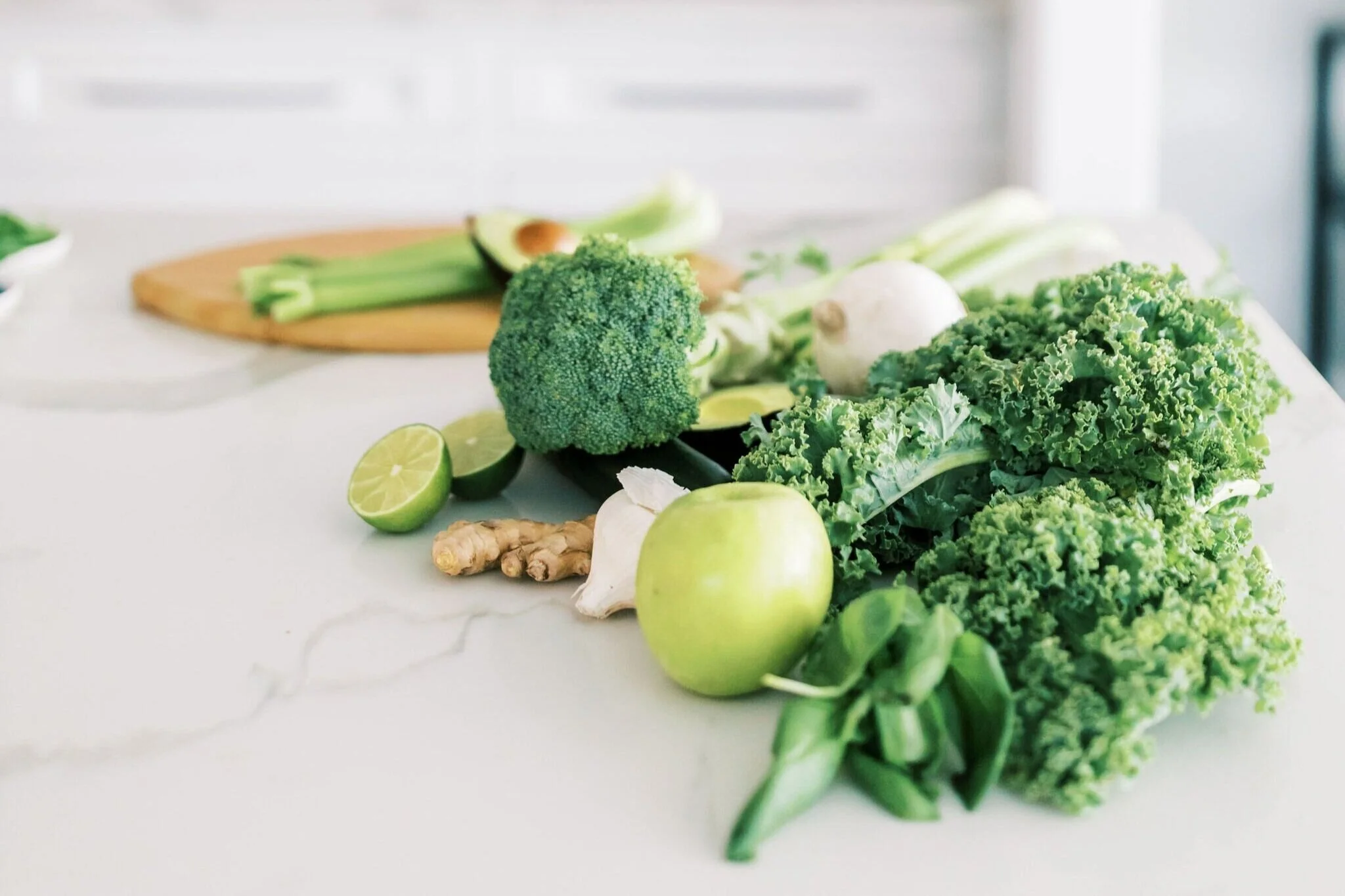
There are so many articles and stories about how people lost all of their excess weight or became body builders just from eating a vegan diet. By definition, a vegan diet strictly eliminates all sources of food from animals, including milk, cheese, butter, seafood, and meat. While these success stories are likely true, a diet for one is not a diet for all.
The Key To A Successful Diet
The key to any successful “diet,” including veganism, is the quality, quantity, and timing of food consumed, particularly for YOUR individual body.
Avoiding consumption of animal products can be extremely beneficial for some people and honestly, we ALL should pay more attention to how much meat and dairy we eat on a daily basis due to the compromised quality of products in our stores today. For others, however, vegan diets can lead to a variety of unintended illnesses related to malnutrition and vitamin and mineral deficiencies.
My Vegan Experience
When I first decided to eat a vegan diet many years ago, I was consuming too much junk food (candy and french fries, anyone?!) and not enough protein or healthy fats. I became sick and could barely find the energy to exercise and sustain the late hours I was putting in at the office. A vegan diet can still be an unhealthy diet consisting of sugar, processed food, soda, and too many starches and simple carbohydrates (white flour).
After further research and countless blood tests, I learned my (unhealthy) vegan diet was more unhealthy than the “normal” diet I was eating before.
What My Diet Looks Like Now
I have since transitioned to a whole-foods, “flexitarian” diet in which I focus on real foods (fruit vegetables, grains, and seafood - meat and dairy only on occasion). On this new “diet,” which has become my lifestyle, I make sure whatever I put in my mouth is of the highest quality. This means, all of my food is organic, preferably locally grown, and free of all hormones, pesticides, herbicides, and antibiotics. Seafood is wild caught. Eggs are from free-range hens.
What about protein?!
If you want to reduce your animal consumption for any number of reasons, but are unsure about where your protein will come from, here are some thoughts to consider:
The source of all animal protein is plants (cows eat grass -> grass builds muscle in cows -> humans eat beef -> humans build muscle from beef)
The largest, strongest animals in our world solely consume plants (elephants)
The amount of protein actually required by the body is less than the "standard" person consumes (excess protein is actually converted into fat)
By caloric portion, plants contain a significant amount more of protein than any meat and also provide for much higher nutrition given they are made up of a plethora of vitamins and minerals (fiber, phytochemicals, antioxidants, and more)
For example, in a 100-calorie portion, there are 11 grams of protein in broccoli compared to 6 grams in steak (Eat to Live by Dr. Joel Fuhrman)
Luckily, there are PLENTY of protein sources in plants, including:
Beans
Nuts
Whole grains
Oats
Seeds
One of my favorite ways of incorporating plant protein is in a superfood smoothie. I use a high-quality protein powder made from organic plants like hemp and flax seeds, plus tons of other vegetables.
Verdict
By eliminating animal protein, you do run the risk of vitamin deficiencies such as Vitamin B, so always consult with your medical practitioner when changing your diet to ensure you are properly supplementing as needed.
Ultimately, the decision is up to you! I always recommend experimenting with different protein sources and listen to your body. Do what feels good and avoid what doesn’t.
Disclaimer: I am not for or against any specific diet. What works for one person may not work for another.