Stress Management in Quarantine
Stress: the number 1 silent killer in America! How did we become a culture so sick from the damaging effects of chronic stress?
This year, stress levels have been at an all-time high for many reasons. I’m certainly feeling it. You may be too. Common symptoms include headaches, anxiety, panic, fatigue, brain fog, digestive problems, poor sleep, memory loss, and depression.
With states still in semi-quarantine, it can be difficult to practice self-care to combat high stress. Some of the normal stress management techniques such as massage, exercise and dance classes, acupuncture, and social activities have all been cancelled due to COVID-19.
The solution
There are, however, other lesser known practices you can do to help manage and reduce your stress while in quarantine!
Nature
Spending time in nature is a common reprieve from every day stressors. Fresh air, water, and sunshine have positive impacts on certain receptors in the brain and can be very calming, reducing stress. Nature also helps raise vibrational energy, closer aligning you to your higher self.
Consider going for a walk, spending time near water, breathing in forest or mountain air, or just laying on a blanket in your lawn! If you are really feeling adventurous, forget the blanket and lay right on the grass as your skin absorbs the healthy nutrients from the soil.
Creativity
Firing up the creative side of the brain directly reduces anxiety, depression, and stress. Writing, for example, has been shown to minimize negative emotions in a productive way. Painting or drawing helps express trauma or stressful experiences without having to put those experiences into words.
Baths
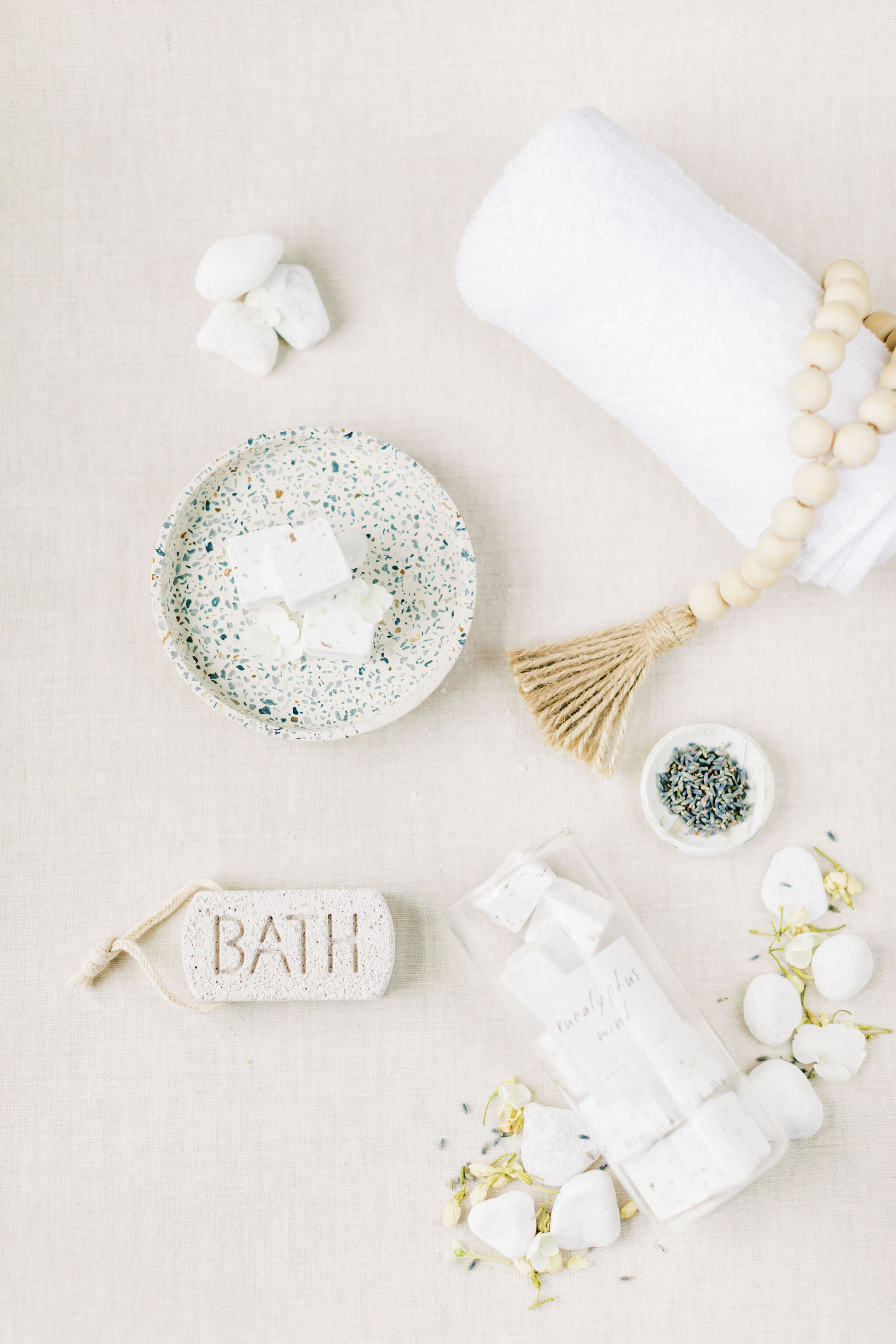
Lavender and Epsom salt baths are great stress relievers.
Lavender oils are calming for the brain and a quick way to reduce anxiety from the smell alone. Epsom salt is full of magnesium, which also has a powerful calming effect on muscles and brain cells. Consider lighting a candle, turning down the lights, playing soft music, and closing your eyes in a warm lavender and Epsom salt bath. Just be careful not to fall asleep!
Meditation
Meditation and deep breathing techniques are a terrific way to lower stress levels. Deep, intentional breathing takes the focus off of the stressor and anxiety. The relaxation response from deep breathing changes the physical and emotional responses to stress such as:
Decreases the hearth rate
Decreases blood pressure
Slows down breathing
Releases muscle tension
Lowers cortisol levels (the stress hormone, which can impair metabolism and digestion)
Meditation is a form of deep breathing that intends to calm the mind to stop racing thoughts. There are tons of guided meditation apps and on the internet. Successful meditation, for me, is the absolute best way to lower my stress levels and leave me feeling completely refreshed.
Sleep
Sometimes, your body is just plain exhausted and needs to repair cells in order to function. Difficulty managing stress can be due to a lack of proper sleep, but stress can also cause sleep impairment, so quality sleep at reasonable hours can be a great way to keep stress at bay.